Botox is one of the most requested aesthetic treatments in Dubai — and one of the most questioned. Many people put it off for fear of an overdone, "frozen" look. In reality the result depends on two things: a careful assessment of your face, and a measured dose in the right place.
What is Botox and how does it work?
Botox is a purified protein injected in very small amounts into specific muscles to relax them temporarily. As the muscle softens, the lines created by repeated movement — forehead lines, frown lines between the brows and crow's feet — become smoother.
When do results show, and how long do they last?
- Onset: within 3 to 5 days.
- Full result: at around two weeks, the right time for a review.
- Duration: 3 to 4 months on average, often longer with regular treatment.
Does it hurt?
The needle is extremely fine and most patients describe brief, light pinches. A session usually takes 10 to 15 minutes and you can return to your day straight away.
How to get a natural result
A natural result does not mean stopping all movement; the aim is a rested face that keeps its expressions. Each session begins by watching how your face moves as you talk and smile, then dosing each muscle according to its strength. Starting conservatively and refining at the review is always better than overdoing it at the start.
Aftercare
- Avoid lying down or bending over for 4 hours.
- Do not rub or massage the treated areas on the first day.
- Postpone strenuous exercise, sauna and steam for 24 hours.
- Make-up can be applied gently after a few hours.
Who should not have Botox?
Treatment is postponed during pregnancy and breastfeeding, when there is active skin infection at the site, and in certain neuromuscular conditions. Always tell your doctor about your medication and medical history.
Not only for wrinkles
Botox is also used medically to treat excessive sweating, and to slim the jaw and ease teeth grinding with masseter Botox.
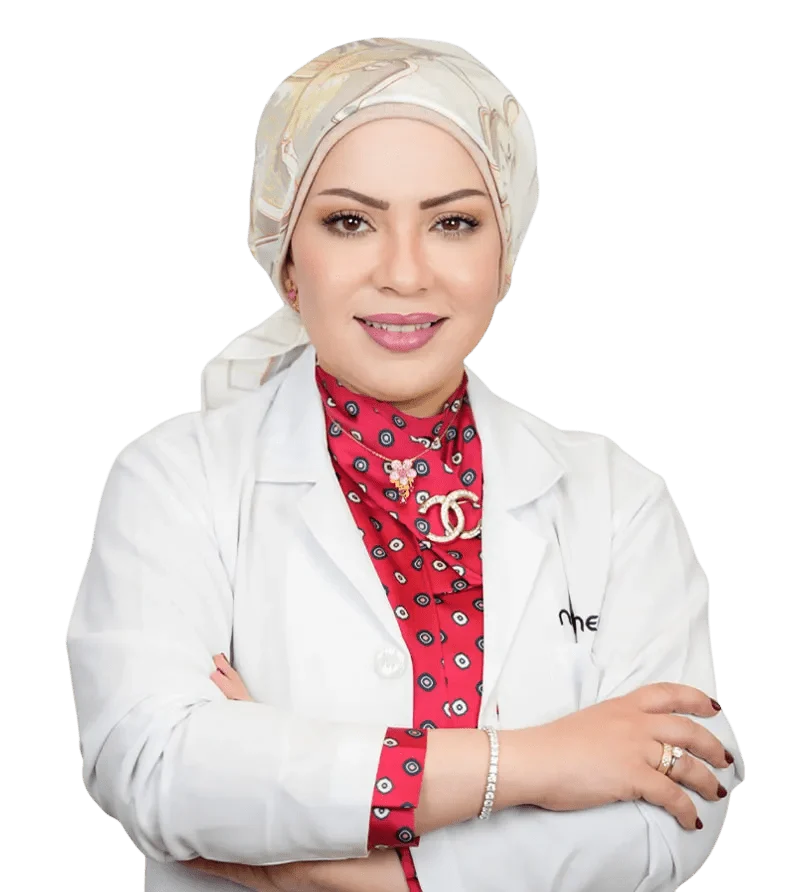
To begin, book a Botox consultation where Dr. Nahed assesses your face and recommends the right plan for you.
This article is for general education and does not replace a medical consultation.